Posts

Showing posts with the label Academic

The Turn To Gruesomeness In American Horror Films, 1931-1936

Image
“ Too dreadfully brutal, no matter what the story calls for [...] It carries gruesomeness and cruelty just a little beyond reason or necessity .” Review of Frankenstein , Motion Picture Herald, 1931 “ The type of picture that brought about censorship .” Review of Mad Love , Motion Picture Herald, 1935 “ Quite the most unpleasant picture I have ever seen [...] it exploited cruelty for cruelty’s sake .” Review of The Raven , London Daily Telegraph, 1935. Is the thirties horror film more akin to graphic modern horror than is often thought? Critics have traditionally characterized classic horror by its use of shadow and suggestion. Yet the graphic nature of early 1930s films only came to light in the home video/DVD era. Along with gangster movies and "sex pictures," horror films drew audiences during the Great Depression with sensational screen content. Exploiting a loophole in the Hays Code, which made no provision for on-screen "gruesomeness," studios produ...
The Legacy of Robin Wood

Image
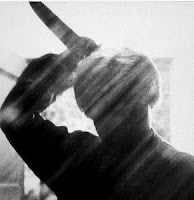
Whilst pouring over the latest issue of Sight & Sound I came across an article commemorating the life and work of film scholar Robin Wood, who sadly passed away in December, 2009. Wood had a profound influence over critical readings of films - particularly horror movies, (and in particular again - slasher films), with his groundbreaking work focusing on the concept of the ‘Return of the Repressed.’ Wood stated ‘The release of sexuality in the horror film is always presented as perverted, monstrous and excessive; both the perversion and the excess being the logical outcome of repression.’ These ideas were fleshed out in the three part essay ‘ An Introduction to the American Horror Film ’ (Part I: Repression, The Other, The Monster ; Part II: Return of the Repressed ; Part III; The Reactionary Wing ). This essay was published in The American Nightmare: Essays on the Horror Film , which was edited by Wood and his partner (academically and romantically) Richard Lippe. Wood was o...