Posts

Showing posts with the label Angela Carter

The Company of Wolves (1984)
Image
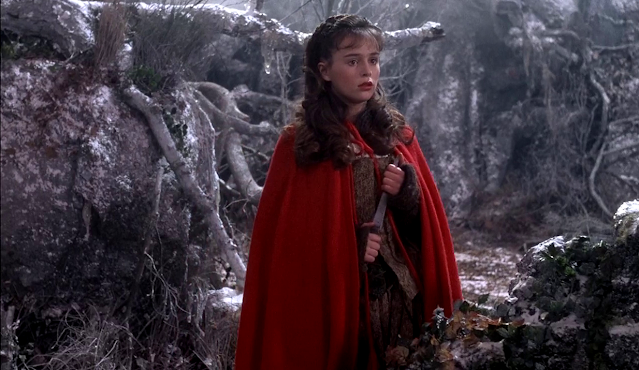
Co-written by Irish filmmaker Neil Jordan and British novelist Angela Carter, and based on several short stories from her collection, The Bloody Chamber , The Company of Wolves is a werewolf film quite unlike any other. A provocative reinterpretation of the fairy tale of Red Riding Hood, it unravels as a feverish exploration of a young girl’s sexuality as she crosses the threshold into adulthood. It was Jordan’s second film, and his first foray into the realms of Gothic horror. Entwining metaphor with striking visuals and grisly effects, The Company of Wolves was released in the early Eighties, in the wake of The Howling and An American Werewolf in London ; it set itself apart from the pack, however, with its literary roots, feminist concerns and art-house execution. The folk tales it draws upon and the significance of oral storytelling itself are woven into the very fabric of the film. Its unusual narrative structure, which unfurls like a Chinese puzzle box, begins as a young girl,...

The Projection Booth Episode 489: The Company of Wolves (1984)

Image
The Company of Wolves  (1984) is a unique beast; part fairy tale, part werewolf film, part horror film, part rite of passage narrative. It was Irish filmmaker Neil Jordan’s second film, and his first foray into the realms of Gothic horror. Jordan co-wrote the screenplay with British novelist Angela Carter, and it is based upon several short stories from Carter’s  The Bloody Chamber , a collection of reinterpreted folk tales and classic literary fairy tales told from a piercing feminist perspective. The latest episode of Mike White's critically acclaimed podcast The Projection Booth features culture writer Heather Drain and author and editor of Diabolique  Magazine Kat Ellinger discussing The Company of Wolves . I was invited on to chat about my book on the film (part of the Devil's Advocates book series ) and the research and writing process. We also talk about the importance of libraries and how, like folk tales, they facilitate access to our past and help us understa...