Audiodrome#1 - Session 9
Head over to Paracinema to read my review of Session 9's creepy soundtrack by Climax Golden Twins.
I'll be reviewing a film soundtrack every month for the new Audiodrome: Film In Music feature.
And check out my interview with Rob Millis from Climax Golden Twins, also over at Paracinema.
While you're at it, why not treat yourself to the latest issue of Paracinema Magazine.
The following article was published on Paracinema.net on 28th October 2011
If ever a soiled gurney being wheeled through an empty and decaying building ever needed ‘musical’ accompaniment – this would be it.
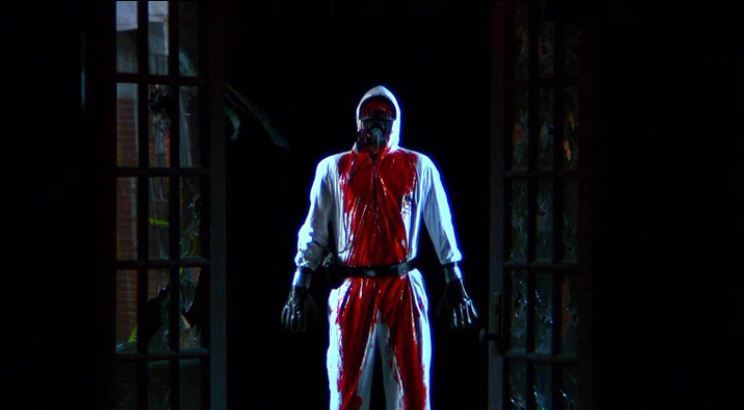
Session 9 is the intensely unsettling story of an asbestos removal crew who begin working in an abandoned asylum. Under pressure to get the job finished in as little time as possible, the group begins to fracture beneath the strain of the job and the oppressive atmosphere of the building, leading to the unveiling of dark, bloodied secrets, psychological turmoil and murder…
Director Brad Anderson was inspired to write Session 9 by the formidable sight of the Danvers State Hospital, which he used to drive past on a daily basis on his way to work. Appropriating the ‘less is more’ approach of filmmakers such as Val Lewton, the film revels in creepy suggestiveness and an atmosphere saturated in foreboding menace. The unnerving tone is enhanced by the haunting soundtrack, courtesy of Seattle-based experimental music group Climax Golden Twins (Robert Millis and Jeffery Taylor). It consists of moody, minimal and sparse piano compositions trickling intermittently amongst ominous found-sound recordings, drones, scratches, crackles, echoes and distant rumblings. If ever a soiled gurney being wheeled through an empty and decaying building ever needed ‘musical’ accompaniment – this would be it.
Distorted industrial noises, creaking doors and groaning air vents swirl eerily around the discordant piano pieces. At times something resembling an identifiable melody will briefly pierce the darkness, such as Hobbes Theme, a haunting and melancholic piano piece later echoed throughout the icy Seclusion. Elsewhere tracks such as Ward A, I Live In The Gut and Mortified Pride consist of doom-laden drones which just seem to anxiously hover, swirling like dark matter in an apocalyptic aftermath, doomful and portentous. Closing track Piece For Tape Recorder exhibits an almost deranged sci-fi feel, with theremin-like whirs and glitching sound effects.
The soundtrack impregnates the already creepy atmosphere with sinister intent, while never intruding on or distracting from the visuals. There is also some playful use of diegetic sounds which seep into the score. The title of the film refers to a collection of tape cassettes containing recordings of a psychiatrist’s interview sessions with one of the former patients, a multiple-personality case. On discovering the tapes, one of the men spends more and more time alone in the basement listening to them. By the time we reach the ninth session tape, events reach a devastating pinnacle and all hell breaks loose. Excerpts of the distorted interview sessions and the machinery they’re recorded on also worm their way into the film’s soundtrack.
Session 9 is a very ‘still’ film (to begin with anyway), and the brooding soundtrack works to enhance this stillness. Long, static shots and floating camera movements coax out the sound which seems to emanate from the darkness of the setting itself, scuttling into the gut and slowly churning up a feeling of dread and uneasiness.
When the soundtrack is ostracised from the film and just listened to as an independent sonic ‘piece’, it still retains its power to chill and unsettle. One for listening to in bed at night in the dark. Or not. You have been warned.
‘Exit Plan’ is one of my favourite tracks on the album – it’s also one of the creepiest. It’s quite representative of the record as a whole as it exhibits a mix of eerie drones, warped sound effects and a supremely unnerving ambience.


