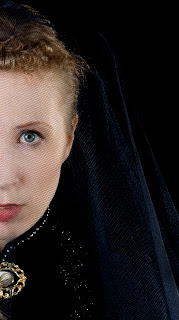
Shadow

Dir. Federico Zampaglione
Throughout the 60s and 70s, Italy was responsible for producing some of the most unique, striking and disturbing horror films in the history of the genre. Italian cinema was even bigger than its US counterpart in terms of exports. Mario Bava, Dario Argento, Sergio Martino, Riccardo Freda, Lucio Fulci and Ruggero Deodato are just a few of the filmmakers responsible for creating some of the most lurid, bizarre, searingly brutal and unforgettable imagery to ever bleed across the silver screen. Italians were churning out all sorts of genre gold dust; from spaghetti westerns, stylishly violent giallo films, blistering detective movies, to comedies, erotic dramas and explosive action flicks. This Golden Age of Italian cinema began to fade during the Eighties however, and it has been too long a time since anyone but Dario Argento has flown the flag for Italo-horror.
Federico Zampaglione’s Shadow should hopefully change all that now. It marks the long overdue and very welcome return of Italian horror. Given the lavish history of Italian horror cinema, and the fact that Zampaglione - often compared to Rob Zombie because of his adoration of horror and his involvement in rock music - was raised on Argento, Martino and Bava; you would be forgiven for having high expectations. With that in mind, Shadow doesn’t disappoint. The director draws on his nation’s rich history of horror while also exhibiting enough of his own vision to ensure his sophomore film is a striking and unsettling one.
While there are distinct echoes of classic Italian horror throughout Shadow, the film’s primary influences would appear to stem from the recent American ‘torture-porn’ sub-genre. Beginning with a Deliverance-like narrative, in which a young couple are menaced in the woods by aggressive locals, Shadow soon lurches down a much more outré trail; it’s contemporaries are the likes of recent French shockers such as The Pack and Frontière(s) - it even stars the latter’s Karina Testa. As soon as the characters get lost in the woods and realise that the trigger-happy locals are the least of their worries, and that something much more sinister lurks within the woods, Shadow’s second act really begins to exude its torture-porn influences. Images of people strapped to surgical tables while various sharp implements are lovingly fondled in front of their eyes ensue. However the emphasis in Zampaglione’s film is not on gruesome effects and splashy violence, but rather the threat of violence, its bloody aftermath and the primitive cruelty that man is capable of. While there isn’t anything too extreme in terms of onscreen violence, one particular moment – which also provides a wonderful nod to that classic Italian horror staple, eye-violation – is shockingly effective.


Momentary flourishes of Bava-esque Gothicism – including misty forests and candle-lit explorations of gloomy, cobweb-hewn corridors - lend Shadow a strangely vintage feel. The antagonist, a cadaverous sub-human creature known only as ‘Mortis’ (Nuot Arquint), also seems to have crept out of the dankest depths of a Gothic nightmare. The Golden Age of Italian horror is channelled in the scene where he skulks around his underground domain, fingering bizarre relics and trinkets before picking up a toad and greedily licking its back, beginning to hallucinate. The warped visuals, candy-coloured lighting and skewed camera work, coupled with the rising tension as he trembles with rage and appears to become sexually excited by the pain he’s about to inflict upon his captives, all swirl together in nightmarish tribute to the likes of Bava, Argento and Soavi. The score, courtesy of Zampaglione, is also suitably moody and mesmerising and it immediately recalls the work of Goblin with its relentless and driving prog-rhythms.

However, the pay off just can’t match the build-up, and Shadow’s twist denouement falls short of sating expectations generated by the gruelling lead up to it. Even so, it’s still a highly atmospheric and suspenseful trip. I for one hope that it can help usher in a resurgence of Italian horror akin to the recent wave of extreme shockers coming out of France. For fans of Euro-horror, Zampaglione is a filmmaker to keep an eye out for; aside from the dark allure of Shadow, his forthcoming film Tulpa is said to be his promise to breathe new life into the giallo…